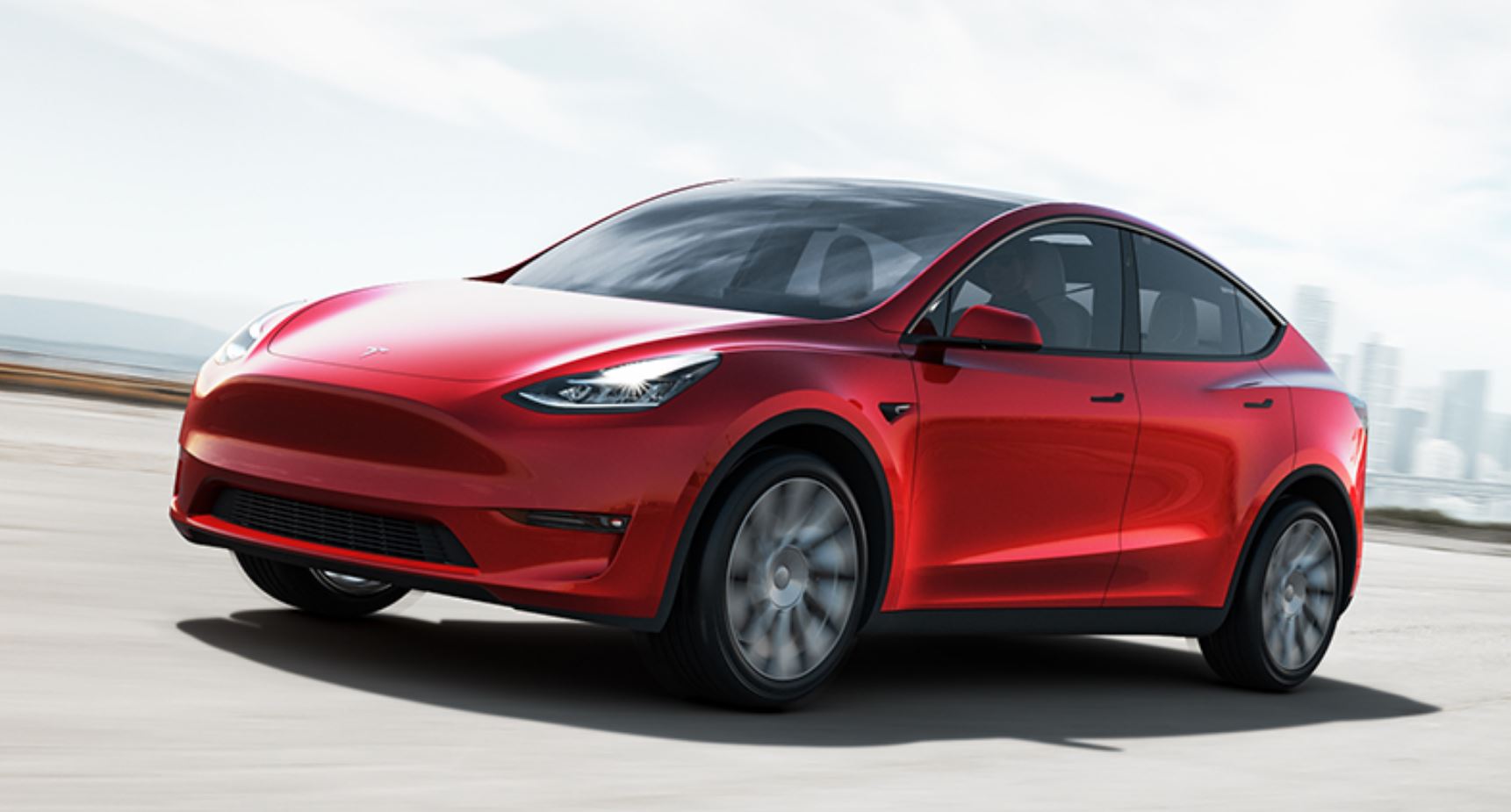

For the first time in its corporate history, Tesla reported an annual decline in revenue in 2025. The Elon Musk-led firm closed the year with revenue of about $94.8 billion, a drop of around 3% from the previous year. At the same time, profits fell sharply, with net income down about 46% to nearly $3.8 billion, as lower vehicle sales and repeated price cuts impacted the company’s earnings. The sharp decline reflected weakening vehicle demand, aggressive price reductions across key markets, and rising costs tied to Tesla’s expanding ambitions beyond electric cars.
The pressure was most visible in Tesla’s core automotive business. Global vehicle deliveries fell for a second consecutive year, sliding to around 1.64 million units in 2025. This marked a significant contrast to earlier years when the EV giant regularly posted double-digit delivery growth. Intensifying competition also played a major role in the company’s struggles. Chinese automaker BYD overtook Tesla as the world’s largest electric vehicle manufacturer by volume, selling around 2.26 million vehicles globally in 2025. And repeated price cuts in North America, Europe, and China, introduced to stimulate demand, helped prevent a steeper decline in sales volumes but significantly compressed profit margins. Automotive revenue fell by about 11% year-on-year, and although manufacturing efficiencies improved toward the end of the year, they were not sufficient to offset the impact of lower average selling prices.

In response to these challenges, Tesla has signaled a major strategic shift. The company announced plans to discontinue the Model S sedan and Model X SUV in 2026, ending production of two vehicles that once defined the firm’s premium brand. Together, the Model S and X now account for a small portion of total sales but carry higher production costs compared with newer models. Just a few days ago, the automaker also announced that it would remove ‘Autopilot’ as a standard feature, bundling it instead with Tesla’s Full Self-Driving (FSD) package, which will move to a subscription-only model starting February 14. Even CEO Elon Musk indicated that the $99-per-month FSD subscription is expected to rise as the system’s capabilities improve.
Apart from these measures, Tesla has also shifted significant focus toward artificial intelligence, robotics, and autonomous transportation as key pillars of its future strategy. In 2025, the company announced a $2 billion investment in xAI (the AI startup founded by Elon Musk), aiming to improve access to advanced AI models, computing infrastructure, and talent to support long-term goals in self-driving technology and robotics.
Especially, robotics has become central to Tesla’s vision, with plans to begin limited production of the humanoid robot Optimus in late 2026 and broader deployment targeted for 2027. The robot is intended for repetitive and labour-intensive tasks across factories, warehouses, and potentially other industries, with Musk projecting it could surpass automotive business value in the long term. Additionally, the automaker continues to develop autonomous vehicles, including the Cybercab robotaxi, expected to enter production in 2026, as the company aims to establish recurring revenue through fully self-driving ride-hailing services. Meanwhile, to support these ambitions, the company plans to significantly increase capital expenditures, projecting spending to exceed $20 billion in 2026, up from around $8.5 billion in 2025.
The Tech Portal is published by Blue Box Media Private Limited. Our investors have no influence over our reporting. Read our full Ownership and Funding Disclosure →