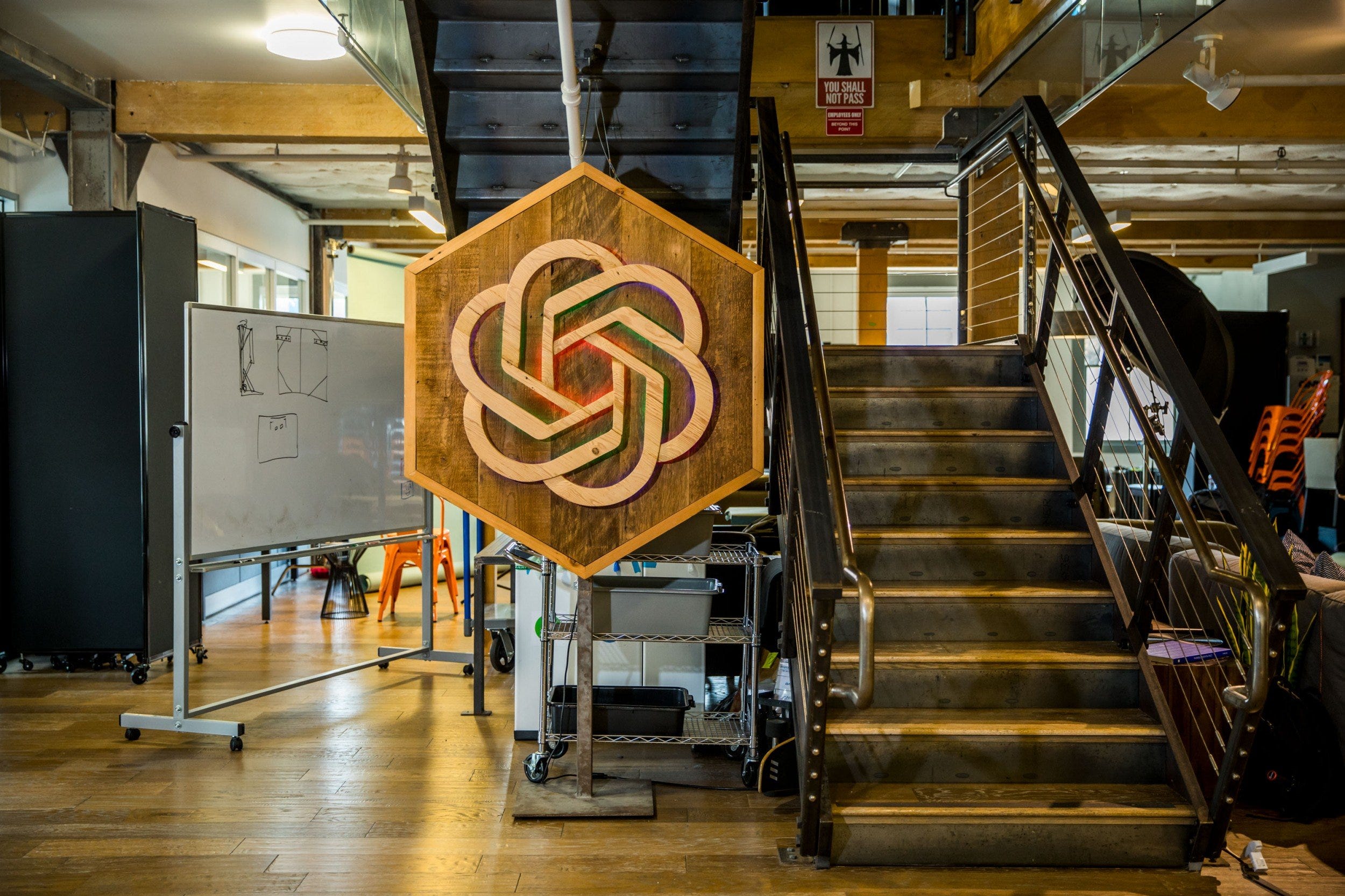

OpenAI is deepening its enterprise ambitions with a new stake in Thrive Holdings, Thrive Capital’s investment arm. The structure is unusual – rather than a cash transaction, the ChatGPT maker is providing its technical teams and model expertise in exchange for equity. The collaboration is designed to accelerate large-scale AI deployment inside accounting and IT service firms, sectors where automation can rapidly reshape labour-intensive operations. Also, the deal shifts OpenAI from being just a supplier of frontier AI models to becoming a co-architect inside the companies that will use them.
While the AI trendsetter has long positioned GPT-4, GPT-4o, and its agentic toolsets as enterprise-ready technologies, this arrangement goes far beyond selling access to an API. By taking an ownership stake, OpenAI is essentially betting that value creation will increasingly come from rebuilding entire workflows with AI at the center – not from incremental adoption of AI-powered tools layered on top of legacy systems.

Meanwhile, Thrive Holdings gets a clear edge as it targets industries that have been slow to modernize. Accounting and IT services still rely on manual inputs, human troubleshooting and heavy compliance workloads – all areas where AI can make an immediate impact. By tapping directly into the Sam Altman-led company’s engineering teams, Thrive can acquire or build service firms and remake them as AI-native platforms from day one.
The operational model behind the partnership is also notable. Instead of offering outside consultation, OpenAI is placing its product, research, and engineering personnel inside the companies that Thrive owns or plans to build. This ’embedded transformation’ strategy is designed to speed up the adoption cycle that typically slows enterprise AI projects.
The latest move is part of a broader shift in the AI industry, where leading model developers are moving from traditional vendors to vertically integrated partners. That transition could give rise to a new class of hybrid service companies built with AI at their core. Although financial details remain undisclosed, the structure of the deal – equity in exchange for applied AI expertise – could become a blueprint for similar partnerships across the industry.
However, the partnership also raises broader questions about the future of traditional service labour. As automation becomes more capable of handling tasks like reconciliation, ticket resolution, documentation, and audit preparation, companies may need to rethink workforce models, talent distribution, and how human oversight fits into increasingly automated processes. While OpenAI maintains that AI will enhance rather than replace human teams, a shift of this magnitude naturally changes how businesses operate and where human decision-making is most valuable.
The timing of this move becomes even more crucial as OpenAI navigates a period marked by heightened scrutiny and operational strain. Over the past year, the company has faced growing criticism about the pace at which it is pushing out new models, along with questions about whether its internal safety culture can keep up with rapid commercialization. Recently, the company also confirmed a breach involving its analytics vendor Mixpanel, which exposed names, email addresses and other metadata of some developers using its API platform – an incident that highlighted vulnerabilities in third-party data practices.
The Tech Portal is published by Blue Box Media Private Limited. Our investors have no influence over our reporting. Read our full Ownership and Funding Disclosure →