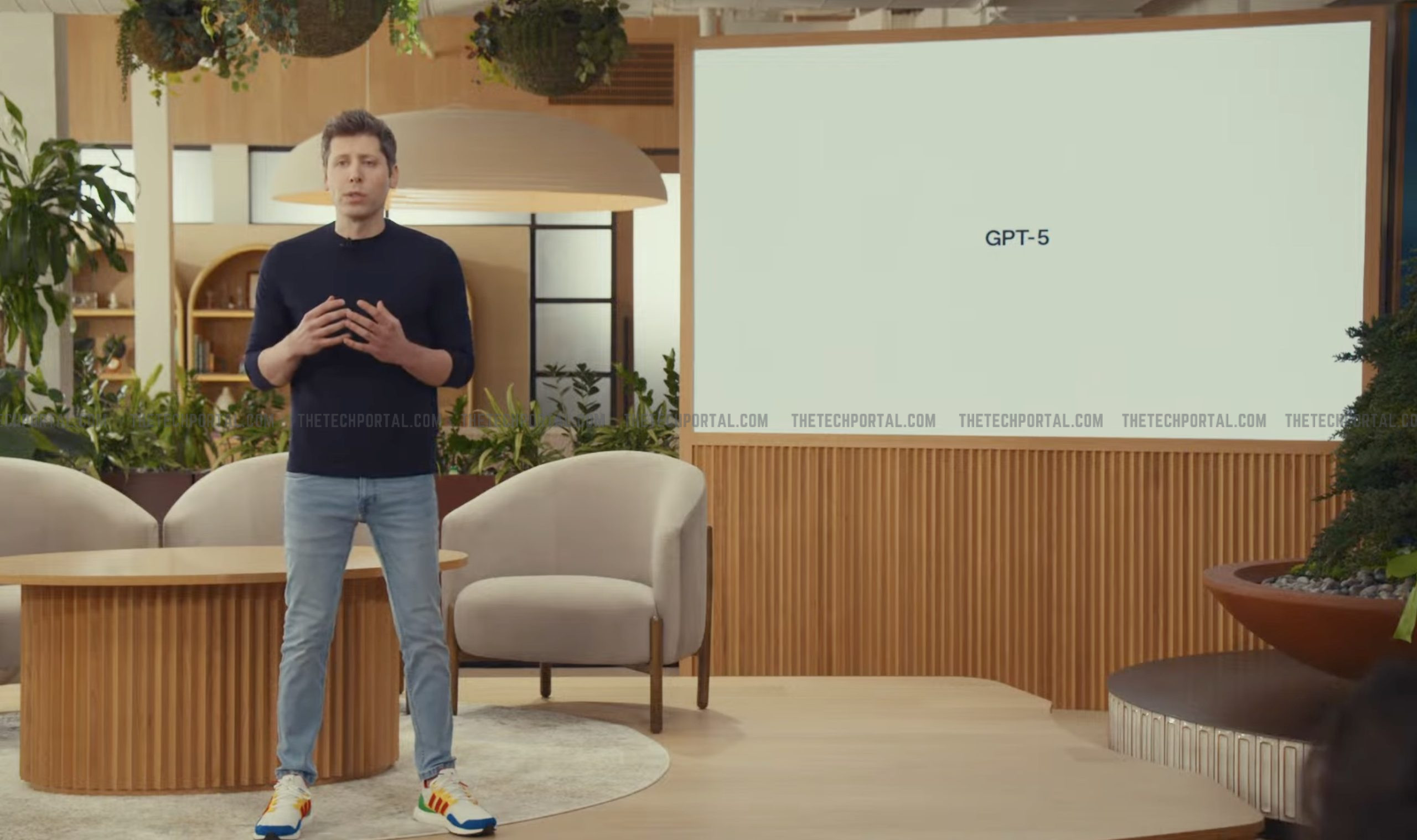

A few days after ChatGPT turned three years old, OpenAI chief Sam Altman has apparently declared an actual “code red” across the company, ordering teams to suspend several ongoing initiatives and concentrate on near-term improvements to ChatGPT, according to several media reports. This development marks OpenAI’s highest level of internal urgency and comes as competition in the generative-AI market intensifies, particularly from Google’s newly released Gemini 3 model.
In a memo to staff, Altman said OpenAI would redirect resources toward enhancing the speed, reliability and personalization of ChatGPT, as well as expanding the range of questions the system can answer. The directive establishes daily leadership calls for teams involved in the improvements, and employees may be temporarily reassigned to accelerate work on the product. OpenAI had previously issued a “code orange” alert in October, but the upgrade to “code red” indicates a broader reassessment of priorities as rivals gain ground.
The shift means several planned initiatives will be delayed. Altman told employees that OpenAI is pausing work on introducing advertising within ChatGPT and slowing development of domain-specific AI agents for health and shopping queries. The company is also postponing updates to Pulse, a personal-assistant feature introduced in September that delivers daily briefings to users based on past interactions. Nick Turley, OpenAI’s head of ChatGPT, said in an X post that the company’s attention is now on making the chatbot “more intuitive and personal” while continuing to expand global access. “Our focus now is to keep making ChatGPT more capable, continue growing, and expand access around the world while making it feel even more intuitive and personal. Thanks for an incredible three years. Lots more to do!” Turley’s post read.
The heightened focus on core functionality follows Google’s release of Gemini 3, which outperformed OpenAI’s flagship models on a number of industry benchmarks and strengthened Google’s position in the consumer AI market. Google’s ecosystem has also benefited from heightened interest in its image-generation tools, including the Nano Banana model, which gained traction earlier this year for its ability to sustain character consistency across edits. Google later expanded its AI user base through deeper integration across Search, YouTube and Android devices.
Despite the competitive challenges, OpenAI remains the largest player in consumer generative AI, maintaining more than 70% of market share. However, the firm has seen gradual share loss in recent months as Gemini’s adoption has increased, crossing 15% for the first time. The “code red” directive marks a notable reversal from late 2022, when ChatGPT’s launch prompted Google to initiate its own company-wide “code red,” accelerating development across its AI divisions. Three years later, the competitive dynamic has shifted, with OpenAI under greater pressure to demonstrate consistent product improvement and to sustain its pace of innovation.
OpenAI’s renewed focus on ChatGPT comes at a time when the likes of Microsoft, Google and Meta have each reallocated resources toward core model performance in recent months amid rising compute costs and faster-than-expected consumer adoption cycles. The timing also coincides with leadership changes at Apple, which announced the departure of its long-time AI lead.
The Tech Portal is published by Blue Box Media Private Limited. Our investors have no influence over our reporting. Read our full Ownership and Funding Disclosure →

Soumyadeep is a Reporter at The Tech Portal, reporting on startups, AI and new tech. His focus is on covering startups developing cutting-edge technology across emerging sectors such as Deep-Tech, AI among others.