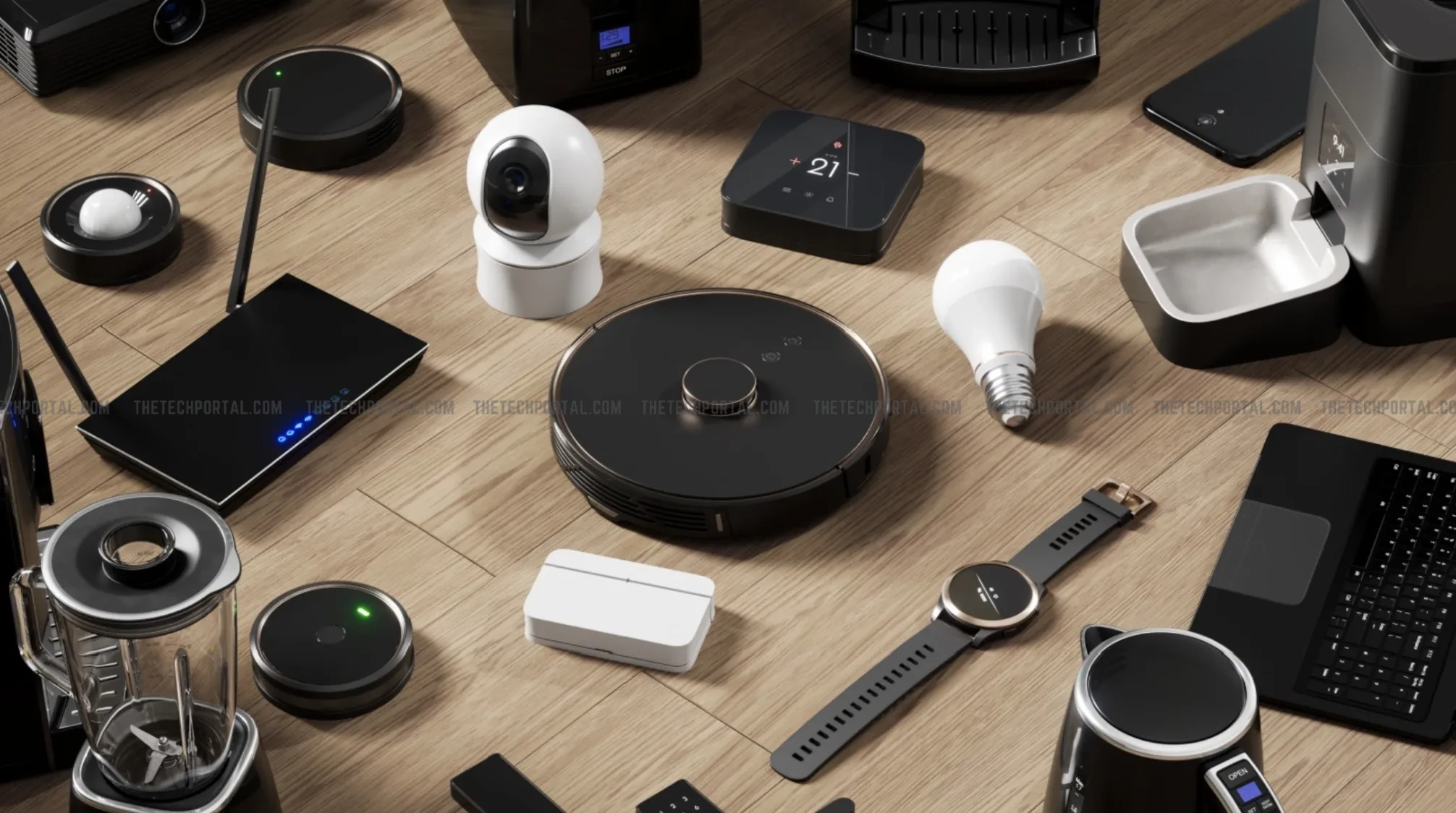
Smart technology has transformed the way people live, work, and interact with their surroundings. In recent years, the concept of a connected home has evolved from a futuristic idea into an everyday reality. Smart devices now allow homeowners to control lighting, security, appliances, and entertainment systems through simple commands or smartphone apps. Just as digital communities often share tips and rewards such as a Tongits Go Gift Code to enhance online entertainment experiences, the world of smart technology continues to introduce innovations that make everyday living more convenient and efficient.
Connected homes rely on smart devices that communicate with one another through internet-based networks. This integration allows multiple systems within a house to function together, creating an environment that adapts to the needs of its occupants.
Understanding Smart Home Technology
A smart home uses interconnected devices that automate and manage household functions. These devices typically connect through Wi-Fi, Bluetooth, or specialized home automation protocols.
Common smart home systems include:
- Smart lighting
- Smart thermostats
- Voice assistants
- Security cameras and smart locks
- Smart appliances
Through centralized apps or voice commands, homeowners can control these systems remotely. This connectivity provides convenience and allows users to monitor their homes from virtually anywhere.
The growing popularity of smart homes reflects the increasing role technology plays in modern lifestyles.
The Role of Voice Assistants
Voice assistants are among the most recognizable smart home technologies. Devices equipped with voice control systems allow users to perform tasks such as turning on lights, adjusting temperature settings, or playing music using simple spoken commands.
These assistants serve as the central hub of many connected homes. By integrating multiple devices into one ecosystem, they simplify home management and improve accessibility for users of all ages.
Voice assistants also continue to improve through artificial intelligence and machine learning. Over time, they can adapt to user preferences and provide personalized recommendations.
Smart Lighting and Energy Efficiency
Smart lighting systems have become one of the most widely adopted home automation technologies. These systems allow homeowners to control brightness, color, and schedules using mobile apps or voice commands.
One major advantage of smart lighting is energy efficiency. Lights can automatically turn off when rooms are empty or adjust brightness based on natural light levels.
Homeowners can also create custom lighting scenes for different activities, such as movie nights, reading sessions, or social gatherings. These features provide both practical benefits and aesthetic enhancements.
Home Security Innovations
Security is a key factor driving the growth of connected homes. Smart security devices provide advanced protection through features such as remote monitoring, motion detection, and real-time alerts.
Smart locks allow homeowners to grant or restrict access through digital keys. Security cameras stream live footage directly to smartphones, allowing users to check their homes anytime.
Doorbell cameras have also become popular. These devices allow residents to see and communicate with visitors even when they are not physically present.
By combining multiple security technologies, connected homes offer greater peace of mind.
Smart Appliances in Everyday Living
Modern smart appliances bring convenience to everyday household tasks. Refrigerators can monitor food inventory and suggest grocery lists. Smart ovens allow users to control cooking temperatures remotely.
Washing machines and dishwashers can send notifications when cycles are complete or when maintenance is required.
These innovations help save time and reduce energy consumption, making household management more efficient.
Smart appliances also provide valuable data that helps users understand their energy usage patterns.
The Internet of Things and Home Connectivity
The rise of smart homes is closely tied to the growth of the Internet of Things (IoT). IoT refers to networks of devices that collect and exchange data through the internet.
In a connected home, IoT devices communicate with each other to automate processes. For example, a thermostat may adjust the temperature when sensors detect that residents have arrived home.
This level of automation creates an environment that responds intelligently to daily routines.
As IoT technology advances, the range of connected devices continues to expand.
Benefits of Connected Homes
The adoption of smart home technology offers several key advantages.
Convenience
One of the most obvious benefits is convenience. Remote access and automation allow users to manage their homes with minimal effort.
Energy Savings
Smart thermostats, lighting systems, and appliances help reduce energy consumption. These systems optimize usage based on real-time conditions and user behavior.
Security and Safety
Connected security systems provide constant monitoring and quick alerts. Homeowners can respond immediately to potential threats.
Accessibility
Smart devices also improve accessibility for individuals with mobility challenges. Voice commands and automation make everyday tasks easier to perform.
Challenges in Smart Home Adoption
Despite their advantages, smart home technologies face several challenges.
Privacy Concerns
Because smart devices collect data, some users worry about privacy and security. Protecting personal information is an important priority for technology companies.
Compatibility Issues
Not all devices are compatible with every smart home ecosystem. Integrating multiple brands can sometimes require additional configuration.
Internet Dependence
Many smart devices rely on stable internet connections. If connectivity is disrupted, certain features may not function properly.
Manufacturers are continuously working to address these issues through improved security protocols and standardized systems.