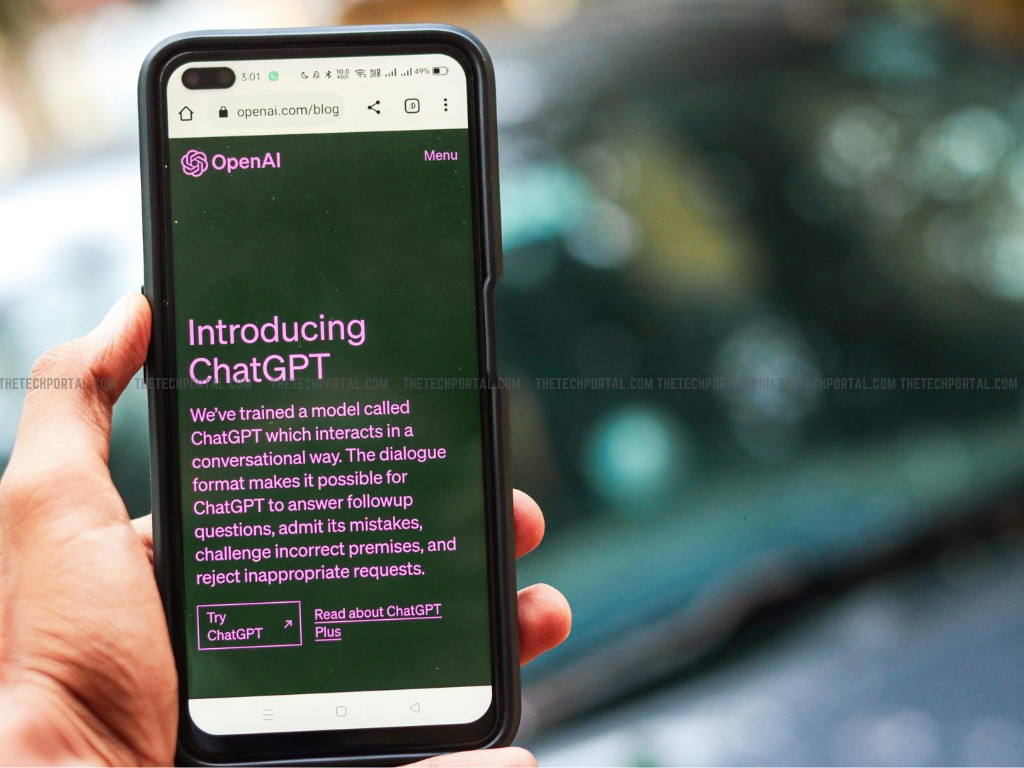
OpenAI is reportedly developing a new desktop ‘super app’ that could bring its core AI products – ChatGPT, its Codex coding system, and the Atlas browser – into a single, unified interface. Under the proposed plan, users will get a single app for chatting, coding, browsing, and task automation instead of separate tools, reports The Wall Street Journal. The goal is to improve integration across these tools while enabling more advanced, task-driven AI capabilities on desktop systems.
“Companies go through phases of exploration and phases of refocus; both are critical,” Fidji Simo (CEO of Applications, OpenAI) said while responding to reports about the super app.

A key focus of the super app is expected to be so-called ‘agentic AI’ capabilities. Rather than responding to single prompts, these systems are designed to handle multi-step tasks like researching a topic, summarizing information, generating content, and executing follow-up actions. This would allow users to rely on AI not just for answers, but for completing entire workflows, particularly in areas like software development, analysis, and content creation.
Meanwhile, Codex, the ChatGPT maker’s coding-focused system, is likely to play a central role in this setup. It has already seen significant adoption among developers, with some estimates placing its weekly user base at over 1.5 million, and is capable of writing code, fixing bugs, and assisting with software tasks. Even last week, to further improve Codex capabilities, the Sam Altman-led firm acquired Python tools startup Astral. And now, integrating Codex directly into a more comprehensive desktop environment suggests the company is positioning coding and automation as core use cases.
At the same time, the inclusion of the Atlas AI browser adds another layer of functionality by allowing direct interaction with the web. This allows the AI to access real-time information, navigate websites, and potentially perform actions online as part of a larger task. The decision to focus on a desktop-first approach is also notable. Importantly, desktop environments provide more flexibility for complex tasks like coding, research, and multi-window workflows, and allow for deeper integration with system-level functions.
The timing of this move becomes significant as competition in the AI space continues to intensify, with rivals like Anthropic pushing products like Claude Code that combine conversational AI with coding in a single interface, and Google expanding Gemini across its ecosystem to deliver a more unified AI experience across tools and workflows.
The Tech Portal is published by Blue Box Media Private Limited. Our investors have no influence over our reporting. Read our full Ownership and Funding Disclosure →