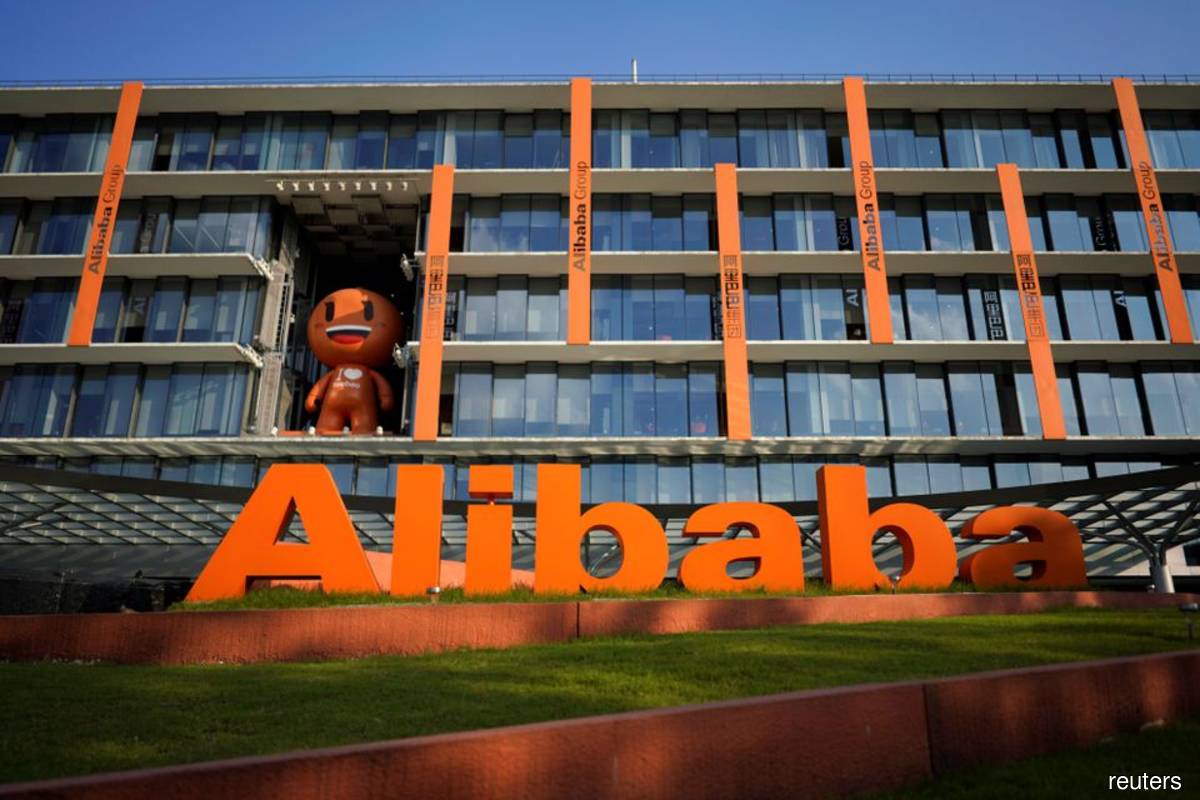

The United States has intensified its scrutiny of major Chinese companies by adding prominent names like Alibaba Group, BYD, and Baidu to a Pentagon list of firms alleged to support China’s military, reports Bloomberg. This list, mandated under Section 1260H of US law, identifies companies that the Pentagon assesses as providing material support to China’s military and dual-use technologies that could enhance its operational and technological capacities. While being on the list does not immediately impose sanctions, it carries significant long-term consequences. For example, federal agencies, including the Department of Defense, will be barred from awarding contracts to these companies, and US suppliers are discouraged from doing business with them.
The inclusion of these companies on the DoD 1260H list marks an expansion of the Pentagon’s efforts to formalize US concerns over Chinese firms that contribute, directly or indirectly, to military modernization. Earlier reports indicate that as many as 8 Chinese companies were recommended for inclusion by the Department of Defense in a letter to Congress in October 2025. Several major names are already on the list, including Huawei, Tencent, CATL, DJI, SMIC, and others. While the 1260H designation is distinct from Treasury Department sanctions and Commerce Department export controls, it serves as a clear signal of national security risk.

Alibaba, best known for e-commerce and cloud computing, Baidu, a leading artificial intelligence and internet services company, and BYD, a global leader in electric vehicles and batteries, were identified due to their activities that could be leveraged for military purposes. The Pentagon’s assessment arises from internal reviews conducted over the past year, which reportedly examined the links between advanced technologies in AI, cloud computing, surveillance, and power systems and their potential applications in military operations. The US is said to believe that, while these companies primarily focus on civilian markets, some of the products and technologies they develop could be adapted for military use under China’s military-civil fusion strategy.
The move also comes as, in December 2025, a bipartisan group urged the Defense Department to expand the 1260H list to include additional Chinese companies operating in sectors like AI, semiconductors, and advanced batteries. At this stage, the listing functions primarily as a reputational and financial warning rather than an immediate operational restriction. However, repeated inclusion on US defense lists could cause investor caution and raise global supply chain concerns, potentially placing substantial limits on these companies’ growth and international collaborations.
The development becomes even more significant as US-China relations are already tense. While Washington is trying to ease trade and economic frictions, Beijing may view this latest move as confrontational. Meanwhile, Alibaba has reportedly denied any military involvement and even rejected the claims linking it to the list.
The Tech Portal is published by Blue Box Media Private Limited. Our investors have no influence over our reporting. Read our full Ownership and Funding Disclosure →