
Users of Xbox Cloud Gaming have recently begun encountering an unexpected message while launching games – a reference to “one hour of ad-supported playtime per session.” While the message itself appears to have been displayed in error, it has effectively confirmed earlier reporting that Microsoft is preparing an ad-supported access tier for its cloud gaming service.
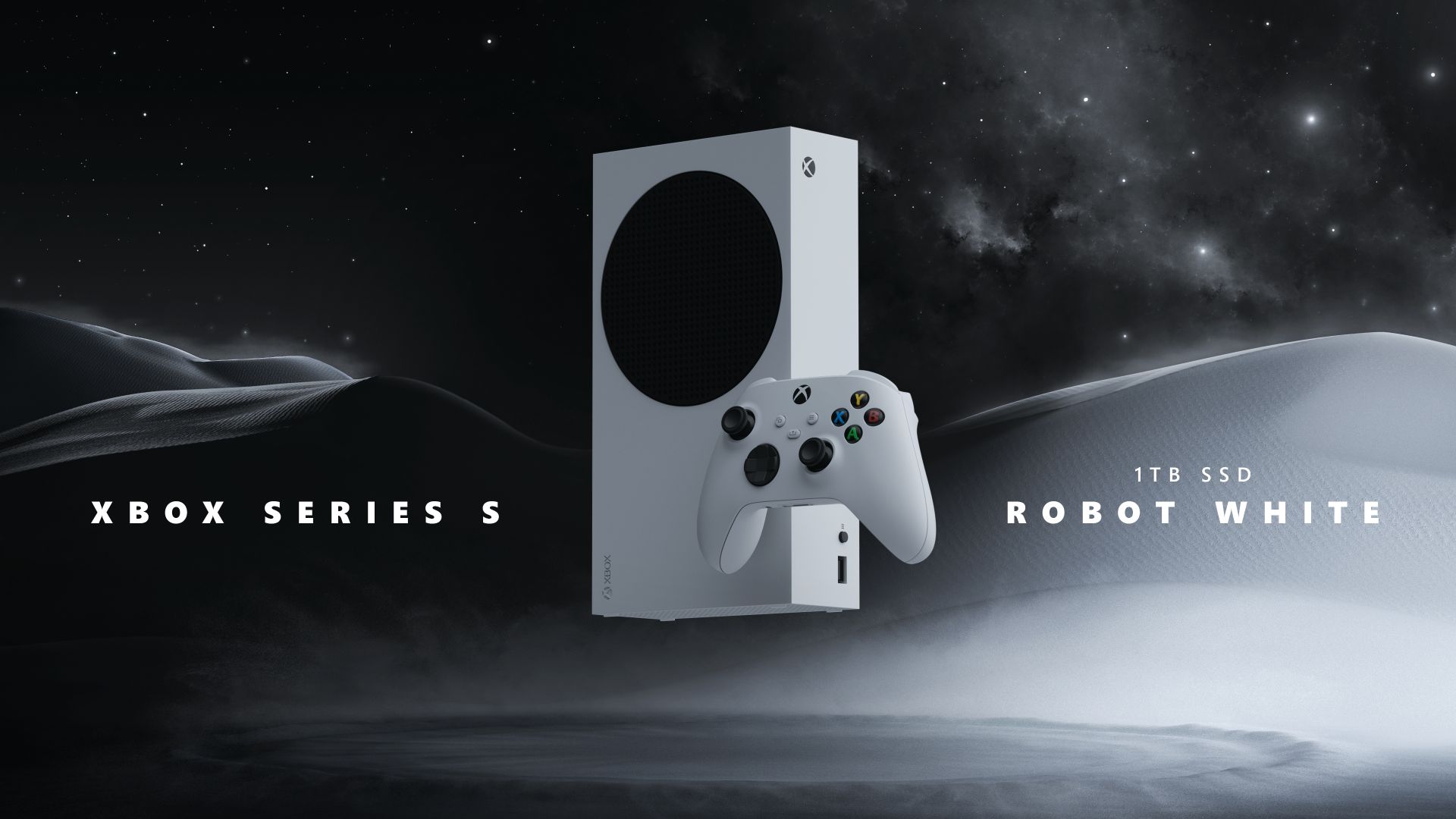
This development arrives at a time when Microsoft is under pressure to find new growth vectors for Xbox. Console sales for the Xbox Series X|S have been relatively muted, weighed down by macroeconomic challenges, rising component costs, and changing consumer habits that increasingly favor mobile-first and free-to-play experiences. In addition to this, the wider games industry is grappling with structural challenges that go beyond any single platform.

Tariffs, inflation, and a global surge in demand for components such as DRAM and SSDs (driven in large part by AI workloads) have pushed hardware prices higher across the board. Even industry leaders have felt the impact, with Nintendo’s stock declining sharply in recent months and PlayStation hardware sales also showing signs of contraction. At the same time, competition for attention has intensified. Platforms like TikTok, alongside ubiquitous free-to-play titles such as Roblox and Fortnite, have reshaped how younger audiences engage with games. These shifts have made it harder for traditional console-centric strategies to deliver sustained growth, particularly in price-sensitive markets.
While consoles face turbulence, PC gaming has continued to expand. Steam has benefited from its appeal to core gamers who value modding, frequent sales, and close ties to streaming culture. Younger players, increasingly influenced by creators and esports personalities, often see PC gaming as the most flexible and aspirational entry point into the hobby. Microsoft has taken note of this trend, pushing deeper into PC through Xbox Game Pass for PC, the Xbox PC storefront, and partnerships around Xbox-branded PC devices.
Microsoft reported in November that cloud gaming hours among Game Pass subscribers rose 45% year-over-year, with console users streaming 45% more and other devices seeing a 24% increase. This follows a doubling of streamed hours from 600 million in 2023 to 1.2 billion in 2024, underscoring the service’s accelerating adoption. In addition to this, Xbox Series X|S hardware sales last year were estimated at just 1.7-2 million units worldwide (a roughly 45% drop from 2024).
According to sources familiar with Microsoft’s plans, the ad-supported model is expected to apply specifically to users who own digital Xbox games but are not subscribed to Xbox Game Pass. Today, access to Xbox Cloud Gaming is effectively gated behind a Game Pass tier. The proposed change would introduce session-based access, allowing non-subscribers to stream eligible games for limited periods in exchange for viewing ads. This approach mirrors broader trends in digital media, where ad-supported tiers have become a common way to balance accessibility with sustainability. For Microsoft, it also creates a funnel: users can sample cloud gaming at low or no cost, then upgrade to Game Pass for longer sessions, higher quality, or an ad-free experience.
Running a cloud gaming service is capital-intensive, relying on the same data center infrastructure and components that power AI and enterprise workloads. However, cloud platforms have a unique advantage: flexibility. During periods of lower gaming demand, compute resources can be repurposed for AI inference or other Azure services, improving overall utilization. Idle compute is one of the biggest cost risks in cloud economics. By opening Xbox Cloud Gaming to a wider audience through ad-supported access, Microsoft can keep utilization rates high and justify continued investment in data centers.
Xbox Cloud Gaming has already seen double-digit growth, particularly in regions where traditional consoles are prohibitively expensive due to taxes, tariffs, or income constraints. Microsoft’s expansion of the service into India late last year was a notable milestone, and the company has signaled interest in further growth across Asia and Africa. For users in these markets, cloud gaming can dramatically lower the barrier to entry. All that is required is a stable internet connection and a compatible device, such as a smartphone, smart TV, or low-cost laptop. For higher-tier users, Microsoft has also begun offering technical improvements, including boosted bitrates and streaming resolutions up to 1440p.
The Tech Portal is published by Blue Box Media Private Limited. Our investors have no influence over our reporting. Read our full Ownership and Funding Disclosure →