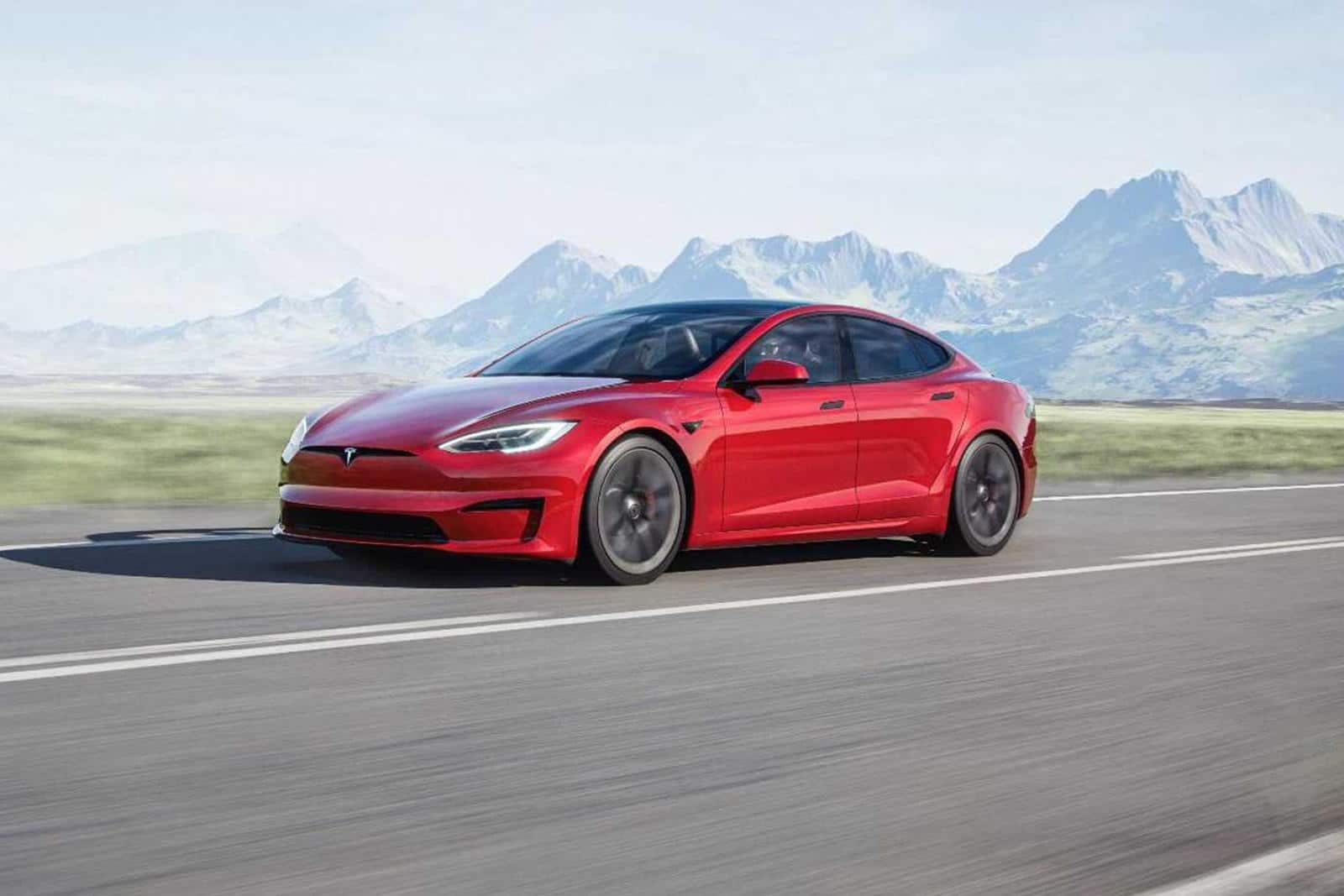

Tesla’s grip on the global EV market is loosened further, show the latest delivery numbers that have come in. In 2025, the automaker delivered about 1.64 million vehicles, a 8.6% decrease from the previous year, marking its second straight annual decline. But at the same time, China’s BYD surged ahead, selling around 2.26 million battery-electric vehicles and claiming the title of the world’s top EV maker. The decline was most visible in Q4 2025, with only 418,000 units delivered, highlighting that the Elon Musk-led company’s momentum is slowing. This comes amid the end of the US $7,500 EV tax credit. Even growing consumer interest in alternatives offering more variety and competitive prices has further intensified the challenge.
Tesla’s recent drop in deliveries contrasts sharply with its earlier growth. For example, in 2021, the company delivered over 936,000 vehicles, more than double the 500,000 it sold in 2020, driven by strong demand for the Model 3 and Model Y. By 2023, deliveries reached a record 1.83 million, around 40% increase from 2022. However, the EV giant witnessed its first annual decline in deliveries in 2024, with around 1.79 million vehicles sold, and the downward trend continued into 2025.

On the other hand, China’s BYD has been steadily climbing. In 2021, the company delivered around 593,000 EVs, growing to around 1.76 million by 2024. And by 2025, deliveries reached 2.26 million, representing a year-on-year growth of about 28%. The company’s success is largely attributed to its diverse vehicle lineup, which includes both battery-electric vehicles (BEVs) and plug-in hybrids (PHEVs), catering to a wide range of price points and customer preferences.
Even last year’s quarterly performance of both companies further highlights the shifting momentum. In 2025, Tesla’s Q1 deliveries declined from the previous year, while Q2 saw around 384,000 units delivered. Although deliveries rebounded slightly to about 422,000 in Q3, they dipped again in Q4 to 418,000. In contrast, BYD maintained steady quarter-on-quarter growth, delivering over 600,000 battery-electric vehicles in Q2 and consistently surpassing Tesla’s quarterly volumes throughout the year.
BYD has focused on scaling production and rapidly expanding exports, selling over 1 million EVs internationally by 2025, with Europe emerging as a key growth market. Supported by strong domestic demand in China, this push helped BYD surpass Tesla in battery-electric vehicle deliveries and pull ahead in overall revenue. When plug-in hybrids are included, BYD delivered about 4.6 million vehicles globally in 2025, compared with Tesla’s around 1.64 million EVs.
Meanwhile, several factors contributed to Tesla’s slowdown. The expiration of the US EV tax credit removed a key financial incentive for American buyers, affecting demand for the popular Model 3 and Model Y. At the same time, global competition intensified, particularly from Chinese manufacturers like BYD, NIO, and Xpeng, which offer more affordable vehicles with similar features. Most importantly, Tesla has yet to introduce major model refreshes beyond incremental updates, reducing excitement and slowing adoption in a market where innovation plays a major role.
The Tech Portal is published by Blue Box Media Private Limited. Our investors have no influence over our reporting. Read our full Ownership and Funding Disclosure →