
Tesla reported another disappointing quarter for its core electric vehicle business, even as overall sales showed modest growth. The company said it delivered 358,023 vehicles globally in the first quarter of 2026, marking a 6% increase compared to the same period last year. However, the figure fell short of analyst expectations, which had generally projected deliveries in the range of 365,000 to 380,000 units, showing a continuing mismatch between investor optimism and actual demand trends.
During the quarter, the company manufactured around 408,000 vehicles, leaving a gap of about 50,000 units that were not delivered to customers. This growing inventory suggests that demand is not keeping pace with the EV giant’s manufacturing capacity, raising concerns about potential discounting, pressure on margins, and the possibility of slower production in upcoming quarters.
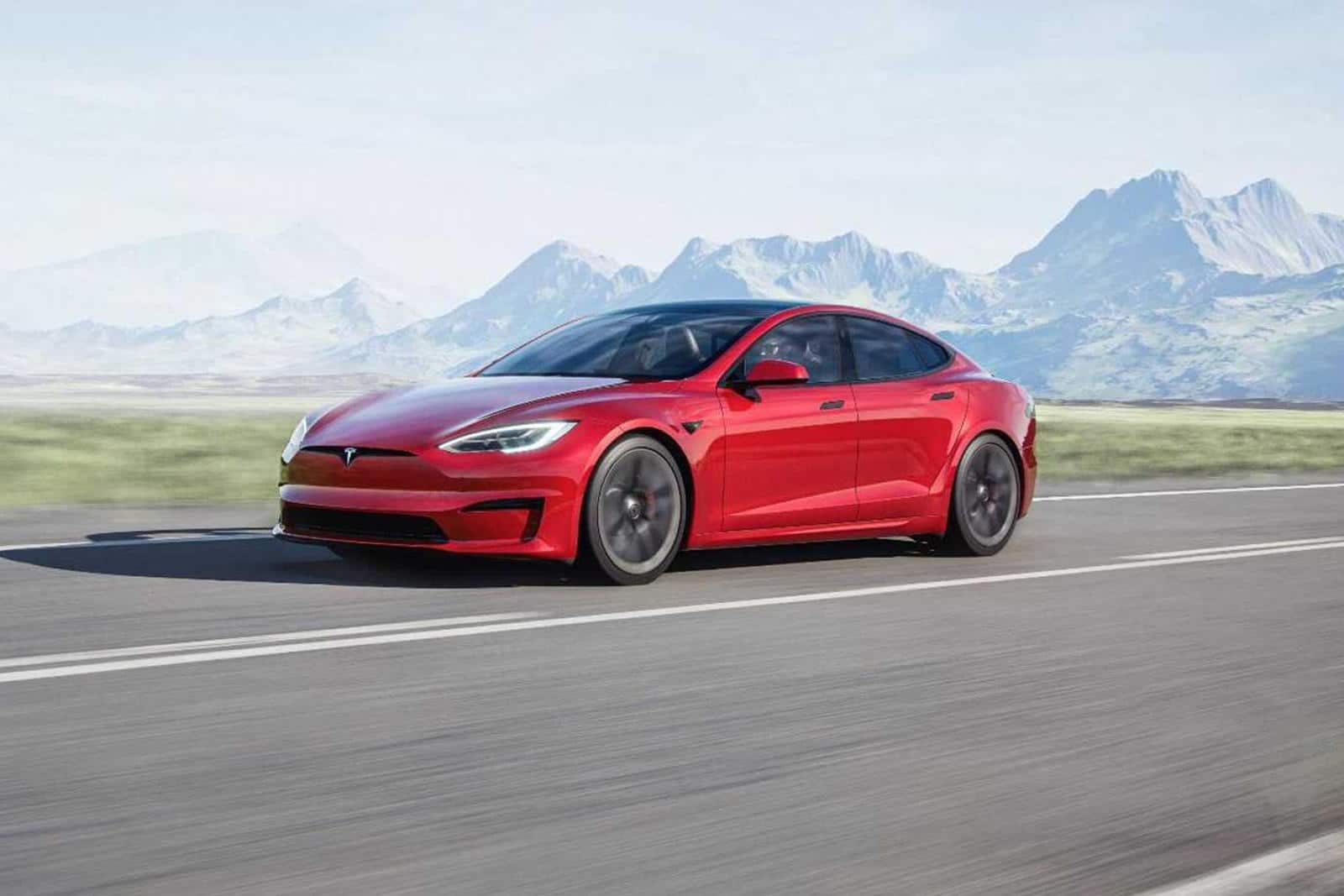
Notably, the company mostly depends on its cheaper, high-volume cars like the Model 3 and Model Y for most of its sales. The Model 3 and Model Y together accounted for about 342,000 deliveries, forming the major part of its sales volume. In contrast, higher-end vehicles like the Model S, Model X, and newer offerings like the Cybertruck contributed only around 16,000 units combined.
Despite the year-on-year growth, the company’s performance still reflects a decline compared to its peak periods. For context, the EV giant had delivered over 420,000 vehicles in the first quarter of 2023, meaning current figures remain significantly below earlier highs. On a sequential basis as well, deliveries dropped notably from the previous quarter.
The disappointing results also come amid intensifying global competition, particularly from Chinese electric vehicle manufacturers like BYD, which continue to expand aggressively with lower-priced models and improving technology. Notably, Tesla has already faced challenges maintaining its leadership position in global EV sales. Beyond the automotive segment, Tesla’s energy storage business also showed signs of weakness, with deployments falling to about 8.8 gigawatt-hours during the quarter, below expectations.
All this is happening at a time when Tesla appears to be undergoing a significant transition. Under the leadership of Elon Musk, the company is increasingly focusing on long-term technological bets rather than purely expanding vehicle sales. These include plans for autonomous robotaxi networks, AI systems, and humanoid robotics, along with continued investment in self-driving software. Reports suggest Tesla is preparing for large-scale production of autonomous vehicles in the near future and has outlined capital expenditure plans of around $20 billion to support these ambitions. At the same time, Tesla is streamlining its vehicle lineup, gradually reducing emphasis on legacy premium models like the Model S and Model X, and concentrating on fewer, high-volume platforms. The whole scenario becomes even more critical as Tesla already ended 2025 with a sharp 46% drop in profits.
The Tech Portal is published by Blue Box Media Private Limited. Our investors have no influence over our reporting. Read our full Ownership and Funding Disclosure →

Ashutosh is a Senior Writer at The Tech Portal, largely reporting on new tech, and intersection of technology and business. Ashutosh’s career spans across nearly a decade of technology writing across multiple platforms and languages.