
Nintendo is suing the US government in an effort to recover tariffs it paid on imported goods under policies introduced by President Donald Trump. The lawsuit, filed in the United States Court of International Trade, argues that the government collected those duties without the legal power to do so. According to Nintendo’s US subsidiary, the tariffs raised the cost of importing gaming hardware and accessories that are largely manufactured in Asia. The company is now asking the court to order a refund with interest, following a recent ruling by the Supreme Court of the United States that said the emergency law used by the administration did not authorize tariffs.
The case, formally titled Nintendo of America Inc. v. US Department of the Treasury, was filed on March 6 by Nintendo’s American division against several federal agencies including the Treasury Department, the Department of Homeland Security, and US Customs and Border Protection. In its complaint, the company argues that the duties it paid under Trump’s tariff policy were unlawfully collected and should be returned promptly along with interest.

The dispute traces back to trade measures introduced a few months ago that imposed additional duties on a wide range of imported goods. The administration justified the policy using the International Emergency Economic Powers Act (IEEPA), a 1977 statute that allows a president to regulate economic transactions after declaring a national emergency. The White House argued that large trade deficits, supply chain vulnerabilities, and geopolitical tensions justified invoking emergency authority to regulate imports and impose tariffs on foreign goods.
Meanwhile, the latest ruling invalidated the legal foundation of the tariff program but did not automatically order refunds for companies that had already paid the duties. Instead, affected importers must pursue reimbursement through individual claims or lawsuits.
Nintendo’s complaint states that the tariffs significantly increased the cost of importing its gaming products into the United States. Most of the company’s consoles, accessories, and related hardware are manufactured in Asian production hubs, particularly in China and Vietnam. As a result, the additional duties directly affected the company’s supply chain and operating costs.
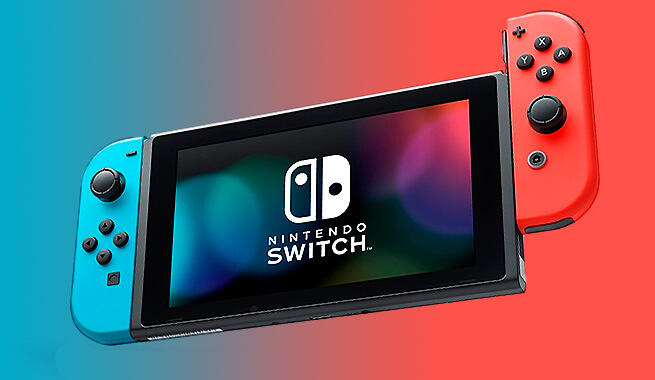
The financial impact came at a critical time for Nintendo’s hardware business. The company has relied heavily on the success of the Nintendo Switch, which has sold more than 139 million units worldwide since its launch in 2017 and remains one of the best-selling gaming consoles in history.
In parallel, several multinational corporations have also pursued legal action or filed administrative claims tied to the same tariff program, including companies like FedEx, Costco, Toyota, and Alcoa.
The Tech Portal is published by Blue Box Media Private Limited. Our investors have no influence over our reporting. Read our full Ownership and Funding Disclosure →