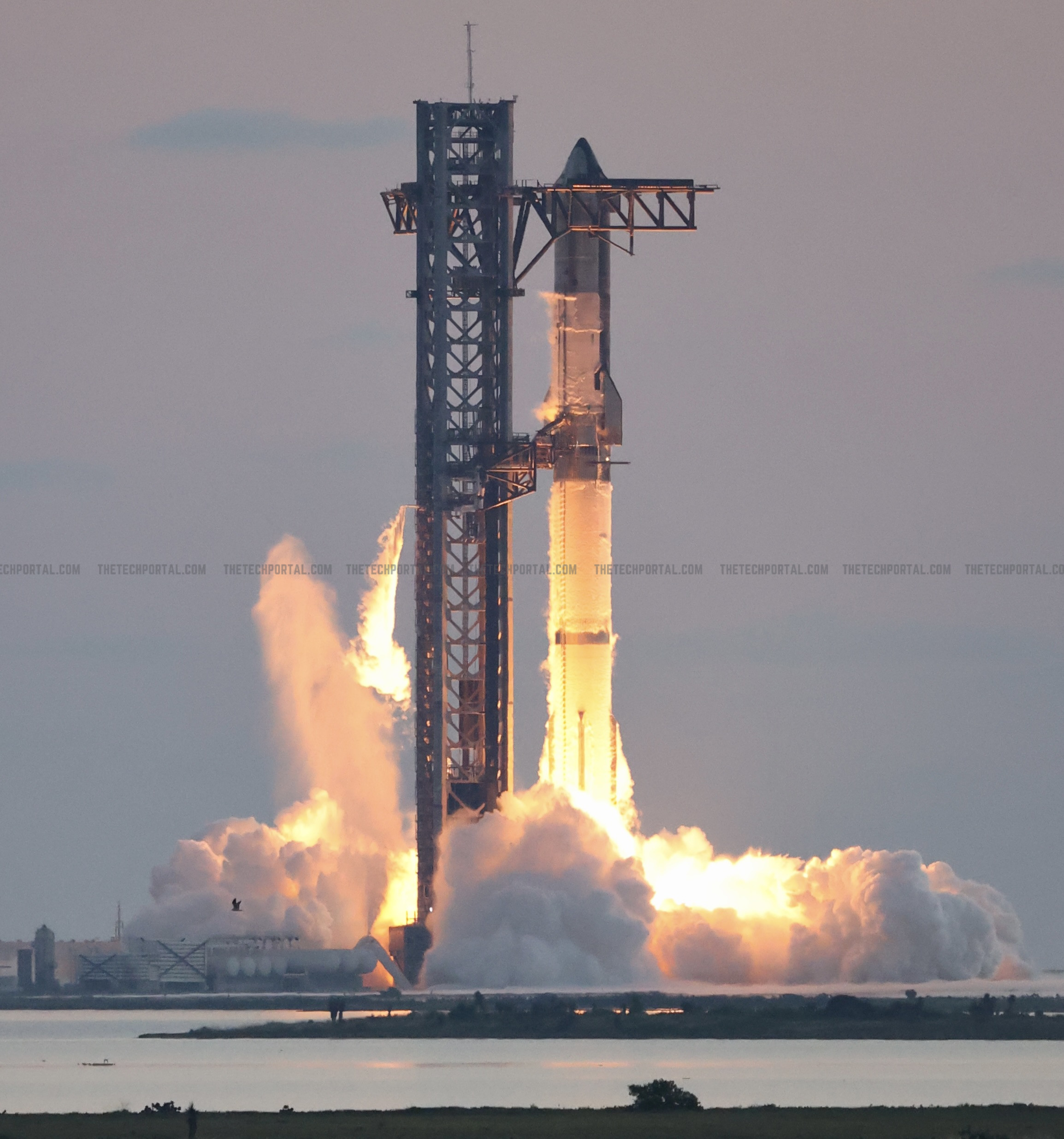
Elon Musk has always had lofty ambitions for space, but this seems to take the cake. The billionaire announced in a post on X that SpaceX, his space company, has already reoriented its near-term human spaceflight priorities, placing the establishment of a permanent, self-growing settlement on the Moon ahead of crewed missions to Mars. A successful lunar settlement would demonstrate technologies critical for any future Mars mission, potentially accelerating timelines once those capabilities are proven. It would also strengthen SpaceX’s position in the space race.
“For those unaware, SpaceX has already shifted focus to building a self-growing city on the Moon, as we can potentially achieve that in less than 10 years, whereas Mars would take 20+ years,” Musk wrote on X. He emphasized the Moon’s decisive advantage in launch frequency—roughly every 10 days compared with the 26-month window required for favorable Earth-Mars alignment—and shorter transit time of about two days versus six to nine months for Mars. The announcement follows a Wall Street Journal report last week that SpaceX had informed investors of its intention to prioritize lunar missions before attempting large-scale Mars exploration. The company is now targeting March 2027 for an uncrewed lunar landing as a major milestone in the revised roadmap.

Musk went on to stress that the Moon offers a far shorter development cycle for testing and iterating critical tech: habitat construction, in-situ resource utilization, power systems, life support, and large-scale surface operations. “This means we can iterate much faster to complete a Moon city than a Mars city,” he said. He added that SpaceX would continue parallel work on Mars, with initial steps toward a Martian settlement expected to begin in five to seven years.
The pivot brings SpaceX’s plans closer to the stated goals of the Trump administration. In an executive order last year, President Trump directed NASA to return Americans to the Moon by 2028 under the Artemis program, for which SpaceX is a key contractor through its Starships, and wanted the establishment of a permanent lunar outpost by 2030. This marked a departure from Trump’s earlier rhetoric during the 2024 campaign, when he repeatedly called for planting the American flag on Mars before the end of his term. NASA’s current schedule has Artemis III, a crewed lunar landing, slated for mid-2027, though the program has experienced repeated delays. Industry observers widely expect further slippage, citing technical challenges with SpaceX’s still-developing lunar lander.
Still, this move is hardly unexpected from Musk, who has long argued that becoming a multi-planetary species is essential for long-term human survival, with Mars originally framed as the primary destination. He has repeatedly revised earlier timelines: in 2016 he spoke of possible passenger flights to Mars as early as 2024, and in 2011 he told the Wall Street Journal that crewed Mars missions could occur in “best case, 10 years, worst case, 15 to 20 years.” Frequent lunar access would potentially allow SpaceX to apply its iterative development philosophy (rapid prototyping, testing, failure, and improvement) at an unprecedented pace. In contrast, Mars missions are constrained by the synodic period between Earth and Mars, limiting launch windows to roughly every 26 months, as stated earlier.
The Tech Portal is published by Blue Box Media Private Limited. Our investors have no influence over our reporting. Read our full Ownership and Funding Disclosure →