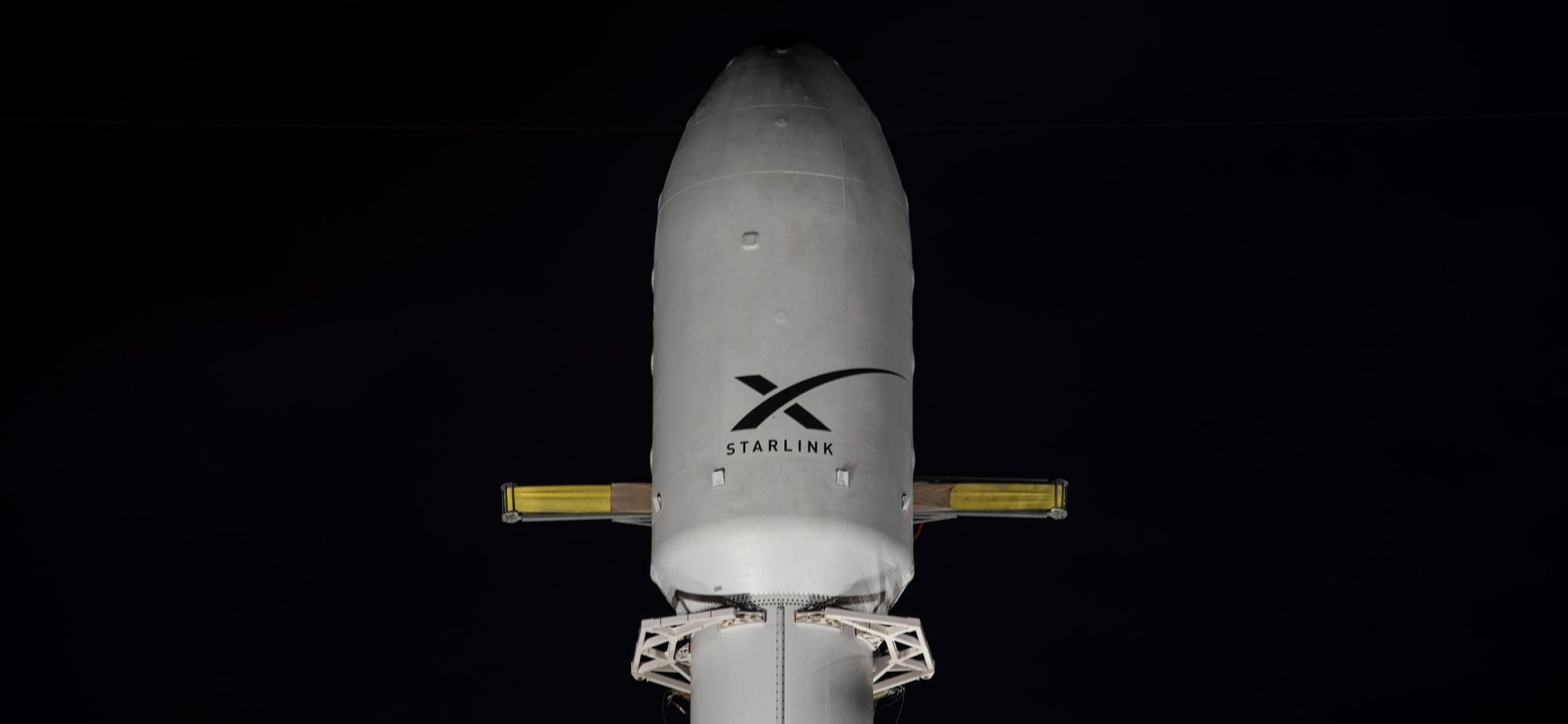

It seems Elon Musk is looking to get rockets, satellites, AI, social media and electric cars, all under one roof. According to a report on Reuters, SpaceX – his space company – is actively considering mergers with other Musk-owned companies, including his AI venture xAI and electric vehicle manufacturer Tesla, as the aerospace firm prepares for a potential blockbuster initial public offering later this year.
A SpaceX-xAI combination would unite rockets, Starlink satellites, the X social media platform, and the Grok chatbot under one entity, with xAI shares potentially exchanged for SpaceX stock. Two Nevada entities established on January 21 appear linked to such a transaction, according to regulatory filings and sources familiar with the matter. Some xAI executives may have the option for cash instead of stock, though no final agreement has been reached and terms remain fluid.

Alternatively, SpaceX is weighing a tie-up with Tesla as well, according to reports. Musk, SpaceX, xAI, and Tesla did not respond to requests for comment. Tesla shares rose about 3% in after-hours trading following the reports and are currently priced at $416.57/share. The merger talks coincide with SpaceX’s IPO preparations, potentially targeting mid-June, which aligns with a Jupiter-Venus conjunction and Musk’s birthday, for a valuation around $1.5 trillion.
To recap, Musk leads multiple high-profile ventures: SpaceX (founded 2002), Tesla (joined 2004), xAI (launched 2023, which acquired X in 2025), Neuralink, and The Boring Company. Cross-investments have grown, including SpaceX’s $2 billion commitment to xAI in 2025 and Tesla’s recent $2 billion investment in the AI firm. xAI, valued at around $230 billion following a $20 billion Series E round earlier this month, has integrated X’s data and distribution while developing Grok. SpaceX, the world’s most valuable private company at roughly $800 billion in late 2025 secondary sales, dominates commercial launches and operates Starlink, the satellite internet constellation. Musk has long pursued synergies, such as Tesla’s 2016 SolarCity acquisition. Recent moves include xAI’s Memphis supercomputer Colossus and Pentagon contracts for Grok, signaling deepening ties between AI, space, and defense.
Still, the synergy is not unexpected, and Musk has been a proponent for orbital data centers to power AI at lower costs, leveraging solar energy and reducing terrestrial compute expenses. Musk stated in Davos that space could become the lowest-cost AI location within two to three years. SpaceX’s Starship aims to enable massive satellite deployments for such infrastructure, potentially competing with Blue Origin’s backbone network or Google’s Project Suncatcher. A SpaceX-xAI merger could accelerate this by combining compute needs with launch capabilities, further boosting Starshield’s AI-driven surveillance and military decision-making tools as well. In a nutshell, a successful merger and IPO would result in the creation of one of the world’s most valuable companies which combines space exploration, global connectivity, social media, and frontier AI into one entity.
The Tech Portal is published by Blue Box Media Private Limited. Our investors have no influence over our reporting. Read our full Ownership and Funding Disclosure →