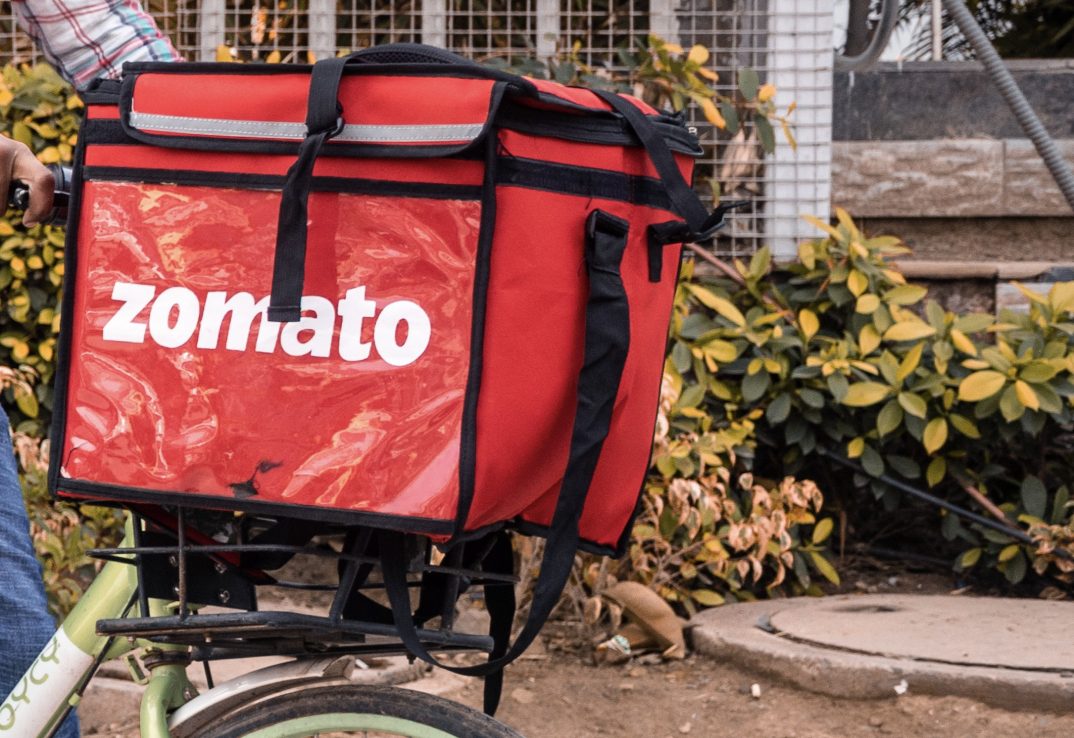

As competition in the food tech and quick commerce industry continues to intensify, Eternal’s latest quarterly numbers show progress on profitability. In the October-December quarter (Q3) of FY26, the company reported consolidated revenue of ₹16,315 crore, up from ₹13,590 crore in the previous quarter, supported by ongoing growth in food delivery and rapid expansion in quick commerce. Year-on-year, revenue more than tripled from ₹5,405 crore in Q3 FY25, reflecting the accelerated scale-up across its business verticals.
Importantly, the Deepinder Goyal-led firm also managed to improve profitability, reporting a net profit of ₹102 crore for the quarter, compared with about ₹65 crore in Q2 FY26 and ₹59 crore in the year-ago period. This indicates an improvement in operating leverage, as the company can effectively translate scale into earnings despite high investments in expansion and growth initiatives.

Eternal’s revenue jump shows its growth is coming from both steady food delivery and the fast-growing quick commerce business, Blinkit. Income from the food delivery business (Zomato) contributed ₹2,676 crore, up 29% year-on-year from ₹2,072 crore, while Blinkit’s revenue surged 75% year-on-year to ₹12,256 crore, from ₹1,399 crore, becoming the main driver of growth. The B2B supply business, Hyperpure, added ₹1,070 crore, up 7% y-o-y. And earnings from the ‘Going-out’ segment and other non-operating income brought the group’s total revenue to ₹16,663 crore for the quarter. For the nine-month period of FY26, Eternal posted total revenue of ₹38,126 crore.
Clearly, Blinkit pushed most of the revenue increase by adding more dark stores, expanding its product range, and speeding up deliveries, which increased order values and customer engagement. While margins remain thin, the narrowing losses suggest the business is beginning to benefit from scale.
However, operating expenses remain high due to the capital-intensive nature of quick commerce. Total expenditure for Q3 FY26 reached ₹16,493 crore, nearly three times the ₹5,533 crore spent in Q3 FY25. The cost of materials consumed, largely linked to Blinkit’s inventory-led model, was the largest component at ₹9,801 crore, up 6.5x y-o-y. Delivery and logistics expenses increased 64% to ₹2,376 crore, employee benefit costs grew 33% to ₹914 crore, and advertising and marketing spend almost doubled to ₹937 crore as the company continued to invest heavily in customer acquisition. Despite these high costs, revenue growth outpacing expenses helped drive the sequential increase in profit.
Comparing the two recent quarters, Q2 FY26 revenue was ₹13,590 crore with a net profit of ₹65 crore, showing that Q3’s additional ₹2,725 crore in revenue translated into ₹37 crore more in profit. On a per-unit basis, the company spent around ₹1.01 to earn every rupee of revenue.
Meanwhile, the third quarter of FY26 also becomes crucial as it marked a significant leadership transition, with founder Deepinder Goyal stepping down as managing director and CEO to take on the role of vice chairman, subject to shareholder approval. At the same time, regulatory and industry challenges added to the quarter’s significance. Earlier in March 2025, CCI probed Blinkit for predatory pricing, while FHRAI and NRAI raised concerns over Zomato’s Bistro brand.
The Tech Portal is published by Blue Box Media Private Limited. Our investors have no influence over our reporting. Read our full Ownership and Funding Disclosure →