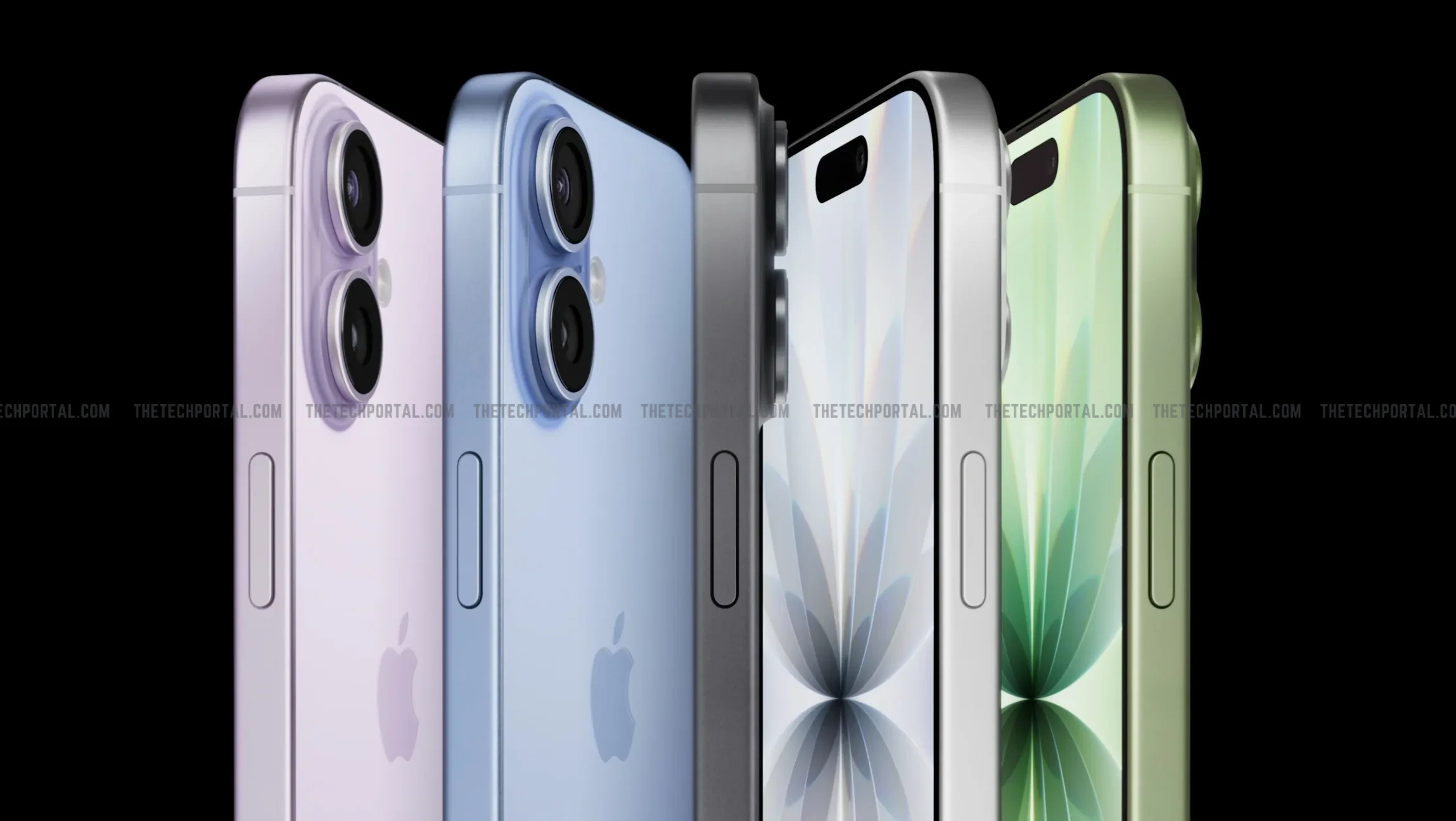

After facing slower sales for much of the year and dealing with higher chip costs and intense competition from local brands, Apple made a strong comeback in China at the end of 2025. In the final quarter of the year, iPhone shipments in the country climbed 28% compared with the same period a year earlier, allowing Apple to reclaim the top spot in quarterly smartphone shipments, according to Counterpoint Research. The comeback was particularly notable because the overall smartphone market in China declined by about 1.6% during the same period.
The rebound was driven largely by strong demand for Apple’s newest devices, especially its flagship iPhone 17 lineup. These models generated significant traction during the holiday season, a key sales period in China known for heavy promotions and elevated consumer spending. Roughly one in every five smartphones shipped in the quarter was an iPhone 17 series device.

Most importantly, Apple’s strong fourth-quarter performance stands in contrast to several domestic Chinese brands, which experienced double-digit shipment declines over the same quarter. For example, in Q4 2025, Xiaomi’s shipments fell by 18%, Huawei declined by almost 14%, vivo dropped around 13%, and HONOR slipped close to 7%. But OPPO emerged as a notable exception, climbing to second place behind Apple in Q4 after recording around 15% year-on-year shipment growth. That gain was driven by sustained demand for its Reno series, supported by incremental volumes from the newly launched Find X9 lineup and the OnePlus 15 series.
Meanwhile, Huawei retained the top position in China for the full year, even though its shipments softened in the second half. The company continued to benefit from strong demand for its mid-to-high-end models, particularly after price reductions boosted their appeal. Similarly, Vivo gained traction with its iQOO 15, which stood out for offering strong performance at a competitive price point among devices using Qualcomm’s latest flagship chipset. Xiaomi saw early-quarter momentum for the Xiaomi 17 series, with particular attention on the Pro variants and their unique rear display design.
The development is particularly significant for the Tim Cook-led tech giant, as the firm is currently navigating a series of major challenges, including intense scrutiny of its global supply chain and regulatory risks. At the same time, memory prices are projected to rise sharply, with estimates suggesting a 40%-50% increase in the first quarter of 2026, followed by an additional increase of around 20% in the second quarter. This surge in component costs could further pressure smartphone margins and affect pricing strategies.
The Tech Portal is published by Blue Box Media Private Limited. Our investors have no influence over our reporting. Read our full Ownership and Funding Disclosure →