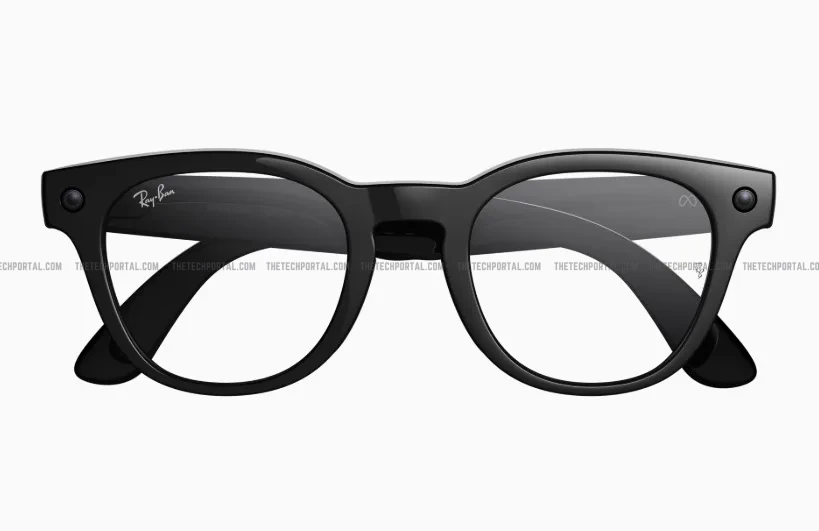
Meta is expanding its push into smart wearables with the launch of two new Ray-Ban glasses – Blayzer Optics (Gen 2) and Scriber Optics (Gen 2) – built for prescription users. Developed with EssilorLuxottica, the glasses start at $499 and are set to ship from April 14. Unlike earlier versions from the social media giant, these models are designed for everyday use with vision correction in mind.
Notably, previous Ray-Ban Meta devices allowed users to insert prescription lenses, but the overall design and comfort were not optimized for long-term daily wear. Now, with Blayzer Optics and Scriber Optics, the Mark Zuckerberg-led firm has redesigned the frames to better match the expectations of traditional eyewear users. The company has incorporated features like flexible overextension hinges to reduce side pressure, adjustable temple arms for improved grip, and interchangeable nose pads to accommodate different facial structures.

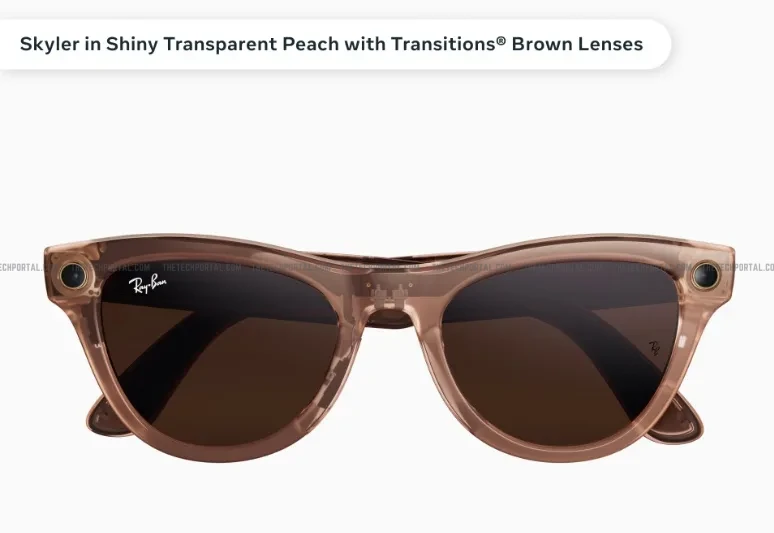
Both models offer distinct styles to appeal to a wider audience. The Blayzer Optics feature a more rectangular, modern frame, while the Scriber Optics adopt a rounded, classic design. Beyond design, the glasses are equipped with a suite of AI-powered features that build on Meta’s broader push into ambient computing. A built-in voice assistant can be activated hands-free, allowing users to perform tasks like sending messages, asking questions, and receiving contextual information about their surroundings. Integration with messaging platforms allows users to listen to and respond to texts without taking out their phones, while real-time navigation provides spoken directions during travel.
The glasses also include embedded cameras and microphones, allowing users to capture photos and short videos from a first-person perspective. Additionally, newer software capabilities are being introduced, including AI-driven visual recognition for tasks like identifying objects and analyzing meals for nutritional insights.
However, while the devices support a broad range of prescription lenses, there are still some limitations. Standard prescriptions can typically be ordered directly, but users with more complex requirements may need to rely on physical optical stores for customization.
The launch comes at a time when, after years of heavy investment in virtual reality and metaverse platforms, the company is increasingly shifting its focus toward wearable AI devices that fit easily into daily life. Last year marked a major breakthrough for the firm, with smart glasses sales surging past 7 million units in 2025 alone, after crossing the 1 million mark in 2024. This rapid growth has pushed total sales to an estimated 9 million units. Even recently, due to surging demand in the United States and extended waitlists, the company has been forced to pause some of its expansion plans. Despite all these, privacy concerns remain a key issue with such smart glasses, particularly around recording and transparency.
The Tech Portal is published by Blue Box Media Private Limited. Our investors have no influence over our reporting. Read our full Ownership and Funding Disclosure →