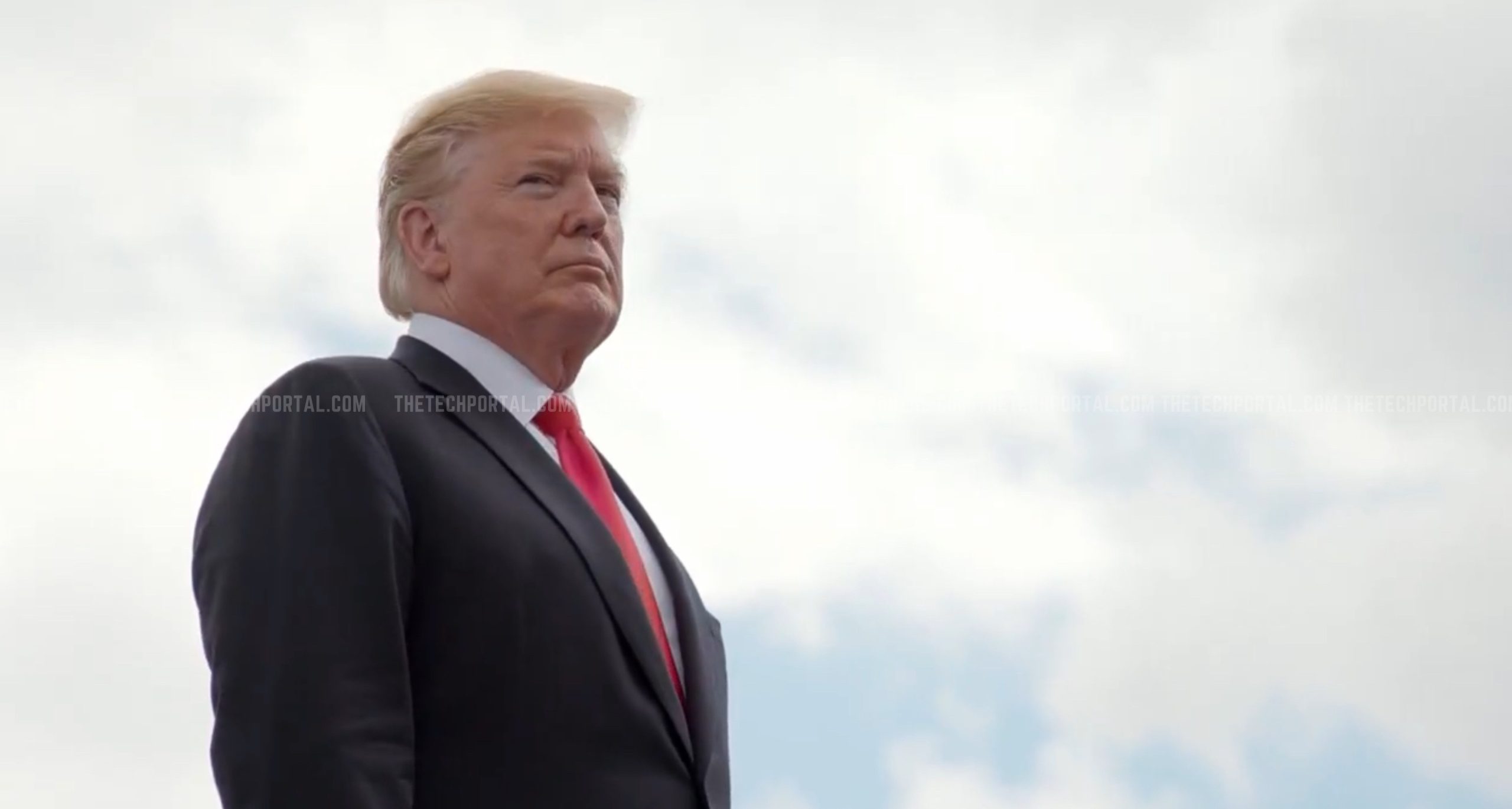

The US President Donald Trump-led administration has rolled out a national artificial intelligence policy framework, outlining how the US plans to regulate AI going forward. The proposal, sent to Congress as a legislative blueprint, calls for a single federal set of rules that would limit or override state-level AI laws. It takes a light regulatory approach, aiming to reduce compliance burdens on companies while supporting faster innovation.
At the center of the framework is a push to prevent a fragmented regulatory environment as individual states move ahead with their own AI laws. Over the past two years, states like California and Colorado have introduced or passed legislation covering algorithmic accountability, consumer protection, and automated decision-making. The Trump administration argues that a mix of different state rules could increase legal uncertainty, raise costs for developers, and slow down the deployment of AI systems across industries. Therefore, by establishing federal control that overrides state laws, Washington would become the primary authority setting standards for AI development, testing, and deployment nationwide.

The proposal shows a broader shift in approach, moving toward minimal intervention. Rather than imposing strict licensing regimes or pre-approval requirements for advanced AI systems, the framework leans on voluntary standards, industry-led best practices, and targeted enforcement in high-risk areas. This positions the United States in contrast with more restrictive approaches, particularly in Europe, where comprehensive AI laws impose risk classifications and compliance obligations.
However, despite its less strict approach, the framework identifies several priority areas where federal involvement is expected. One of the most prominent is child safety. The plan calls for stronger safeguards against harmful or exploitative AI-generated content, including improved parental controls, age verification systems, and mechanisms to detect and limit exposure to content related to self-harm and abuse. Free speech is another key pillar. The framework says AI systems should not suppress lawful expression and must align with First Amendment protections.
Meanwhile, on intellectual property, the Trump administration takes a cautious approach. As lawsuits between AI developers and creators accelerate, the framework avoids imposing immediate regulatory mandates. Instead, it leaves much of the resolution to the courts, while signalling openness to future mechanisms like licensing systems and compensation models for creators.
The framework also highlights the growing infrastructure needs of AI, noting that large models require massive computing power and energy, often through hyperscale data centers. It calls for expanding the electricity supply and speeding up approvals for such facilities to avoid slowdowns. At the same time, it positions AI as a major driver of economic growth, promoting workforce training and wider adoption across industries and government. While it stresses staying ahead of rivals like China, it offers limited detail on handling risks like military use and cyber misuse of AI.
It is important to note that implementing the framework will involve multiple federal agencies. For example, the Department of Justice has been tasked with reviewing state-level AI laws that may conflict with federal priorities and could challenge them in court, while other agencies are examining regulatory barriers that might slow AI adoption.
The Tech Portal is published by Blue Box Media Private Limited. Our investors have no influence over our reporting. Read our full Ownership and Funding Disclosure →