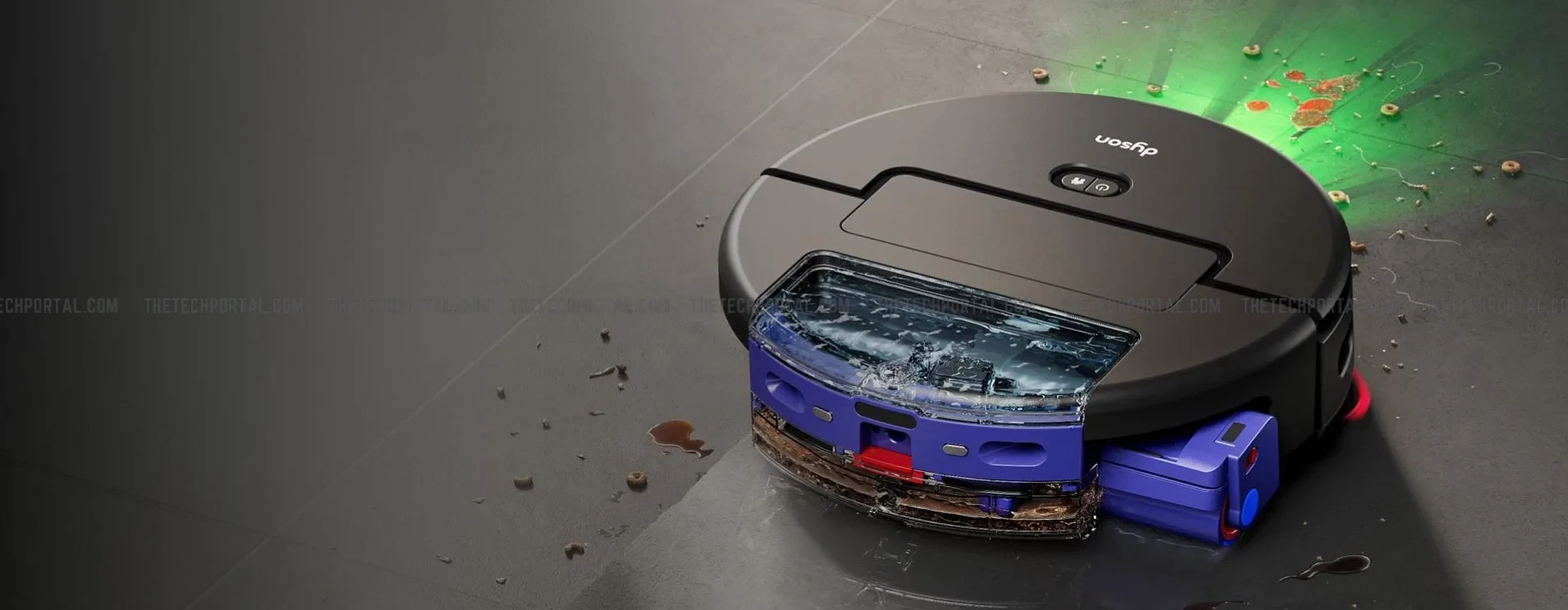
The idea of a truly hands-free home has moved from science fiction to everyday reality. Among the technologies leading this quiet revolution is the robot vacuum cleaner, a device that has steadily evolved from a novelty into a practical, intelligent cleaning companion. For readers who follow innovation on platforms like The Tech Portal, this shift represents more than just convenience. It highlights how artificial intelligence, automation, and smart home ecosystems are reshaping daily life in subtle but meaningful ways.
From Novelty Gadget to Essential Home Tech
A decade ago, robot vacuums were often seen as experimental gadgets. Early versions moved in random patterns, struggled with obstacles, and required frequent human intervention. They were interesting, but not always reliable.
Today, that perception has changed. Improvements in hardware and software have turned these devices into dependable household tools. They now deliver consistent cleaning results, require less oversight, and fit naturally into everyday routines. What once felt like a luxury is quickly becoming a standard part of modern living.
Smarter Navigation and Mapping
One of the biggest breakthroughs in robot vacuum technology is navigation. Modern units use a mix of sensors, cameras, and laser-based systems to understand their environment.
Instead of wandering aimlessly, they map entire rooms with surprising accuracy. These maps are not just temporary. Devices store them and improve over time, learning the layout of furniture and identifying the most efficient cleaning paths. This means fewer missed spots and less wasted energy.
Obstacle detection has also improved. Many models can now recognize and avoid common household hazards such as cables, shoes, or small objects. This reduces interruptions and makes the cleaning process smoother overall.
Personalized Cleaning Through Apps
Control has shifted from physical buttons to intuitive mobile apps. Users can now customize how and when their homes are cleaned with just a few taps.
You can divide your home into zones, set cleaning priorities, and create schedules that match your lifestyle. For example, high-traffic areas like the living room can be cleaned more frequently, while guest rooms may only need occasional attention.
Some systems even allow real-time control. If you notice a mess while away from home, you can send the vacuum to that exact spot. This level of flexibility makes the technology far more practical than earlier versions.
Integration with Smart Home Ecosystems
Robot vacuums are no longer standalone devices. They are becoming part of a larger smart home network.
Many models integrate with voice assistants, allowing users to start, stop, or schedule cleaning using simple voice commands. This hands-free interaction fits naturally into homes already equipped with smart lighting, thermostats, and security systems.
The real value here is convenience. Instead of managing multiple devices separately, everything works together. Cleaning becomes just another automated background task, like adjusting the temperature or turning off the lights.
The Role of Artificial Intelligence
Artificial intelligence is a major driver behind the evolution of robot vacuums. These devices are not just following pre-set instructions. They are learning.
Over time, they adapt to cleaning patterns, recognize frequently used areas, and adjust their behavior accordingly. Some can even detect the difference between carpet and hard floors, automatically changing suction power for better results.
This learning capability improves efficiency and extends the lifespan of the device. It reduces unnecessary movement and ensures that energy is used where it matters most.
Time-Saving Benefits for Modern Lifestyles
One of the most immediate advantages of robot vacuums is time savings. In busy households, finding time for regular cleaning can be a challenge.
By automating this task, users can focus on more important activities. Whether it is work, family time, or simply relaxing, the device handles routine floor cleaning in the background.
This is especially valuable for people with demanding schedules or those who prefer to minimize household chores. The convenience factor alone makes the technology appealing.
Challenges and Limitations
Despite the progress, robot vacuums are not perfect. They still have limitations that users should consider.
For instance, while navigation has improved, very cluttered spaces can still pose challenges. Deep cleaning, especially on thick carpets, may require a traditional vacuum for best results.
Battery life can also be a factor in larger homes. Although many devices return to their charging stations automatically, cleaning very large areas may take multiple cycles.
These limitations do not outweigh the benefits, but they highlight the importance of choosing the right model for your needs.
Sustainability and Energy Efficiency
Another important aspect is sustainability. Modern robot vacuums are designed to be energy-efficient, using less power than traditional vacuum cleaners.
Their ability to clean specific areas rather than entire homes unnecessarily also reduces energy consumption. Additionally, many models now feature reusable components, such as washable filters, which help minimize waste.
As consumers become more conscious of their environmental impact, these features add another layer of appeal.
The Future of Autonomous Cleaning
Looking ahead, the future of robot vacuum technology is promising. We are likely to see even smarter systems with better object recognition, improved battery performance, and deeper integration with smart home platforms.
There is also potential for multi-functional devices that combine vacuuming with mopping, air purification, or even security monitoring. As these technologies converge, the concept of a fully automated home becomes more realistic.
Final Thoughts
The evolution of robot vacuum cleaners reflects a broader trend in technology. Devices are becoming more intelligent, more connected, and more capable of handling everyday tasks without constant human input.
What started as a simple convenience has grown into a meaningful upgrade to how we manage our homes. For tech enthusiasts and everyday users alike, this is a clear example of innovation making life easier in practical ways.
As the technology continues to improve, it is safe to say that automated cleaning is not just a passing trend. It is becoming a permanent part of modern living.